Understanding current trends is essential. The orthopedic market faces a limited number of customers and growing demand for collaboration with surgeons. Regulatory changes, rising healthcare costs, and occasional industry scandals also shape the landscape. Startups that stay aware of these trends can better navigate challenges and seize opportunities.
The Three Stages of Startup Development
Startup development typically progresses through three stages: ideation, product development, and market penetration. Each stage requires specific actions. During ideation, defining a clear value proposition and securing funding are crucial. In the product development phase, creating a functional, safe, and market-ready device becomes the priority. Finally, market penetration requires strong sales strategies and partnerships to scale effectively. Proper execution at each stage builds investor confidence and supports long-term growth.
Planning a Smart Exit Strategy
An exit strategy should be considered from the very beginning. Timing is critical. One effective approach is to secure a partnership with a multinational company just before entering the market penetration phase. Leveraging established distribution networks allows your product to reach more patients and maximize returns for the founders.
Revolutionary vs. Evolutionary Innovations
It’s important to distinguish between revolutionary and evolutionary technologies. Revolutionary innovations often require internal expertise, careful organizational management, and strategic planning. Evolutionary advancements, on the other hand, can integrate more smoothly into a multinational company’s existing operations. Adapting your approach based on the type of technology improves the likelihood of successful collaboration or acquisition.
Preparing for Due Diligence
Potential partners will conduct thorough due diligence before forming a partnership. This includes reviewing contracts, patents, manufacturing capabilities, clinical data, and endorsements from surgeons. Aligning your startup with these expectations enhances credibility and increases the chances of a successful acquisition.
Creating Value and Sharing Your Story
Beyond meeting technical and regulatory requirements, focus on creating a compelling narrative. Highlight your product’s unique benefits and potential impact on patients. Participate in industry conferences, gain media exposure, and secure endorsements from key opinion leaders. Combining storytelling with strong clinical evidence elevates the perceived value of your startup.
The Power of Collaboration
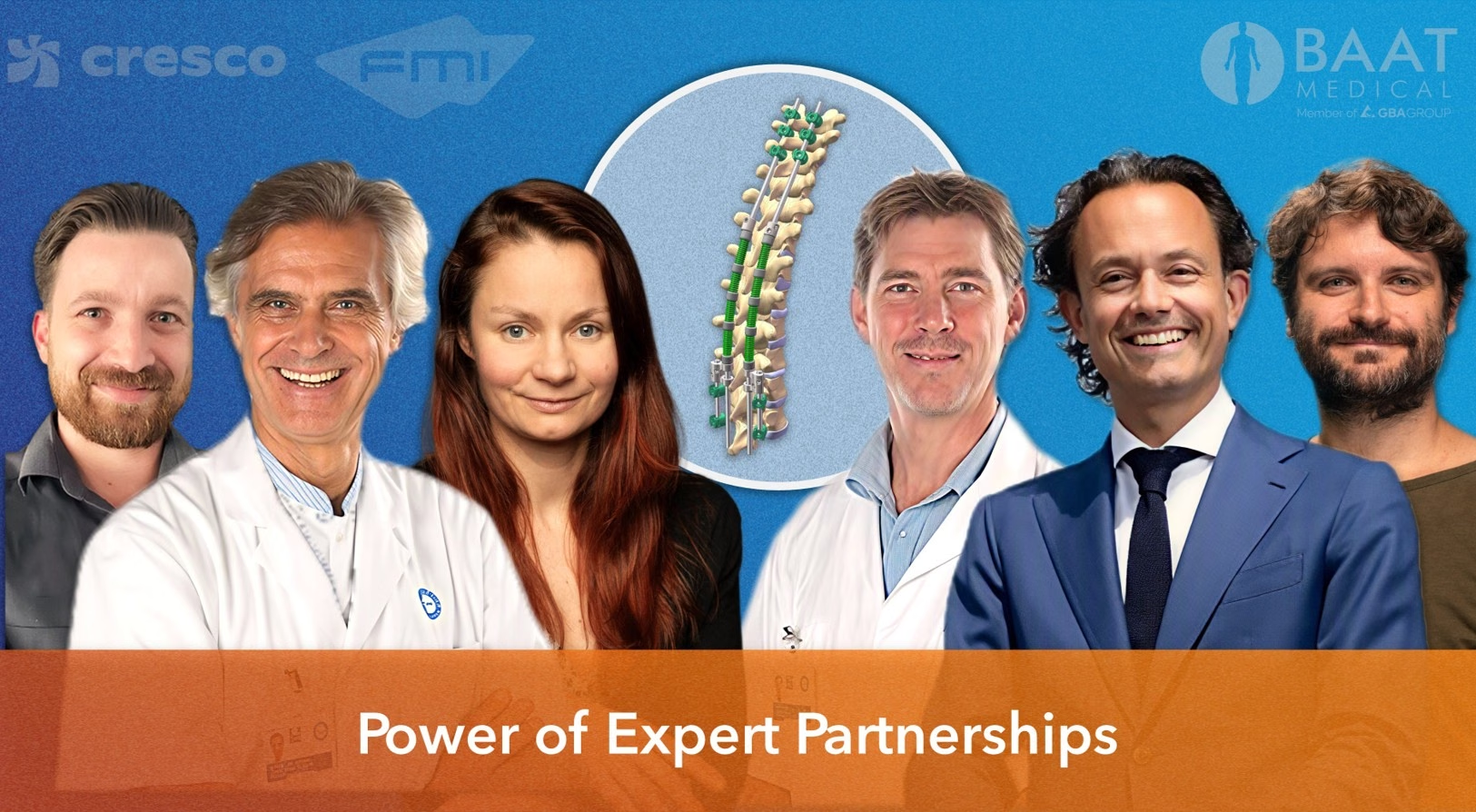
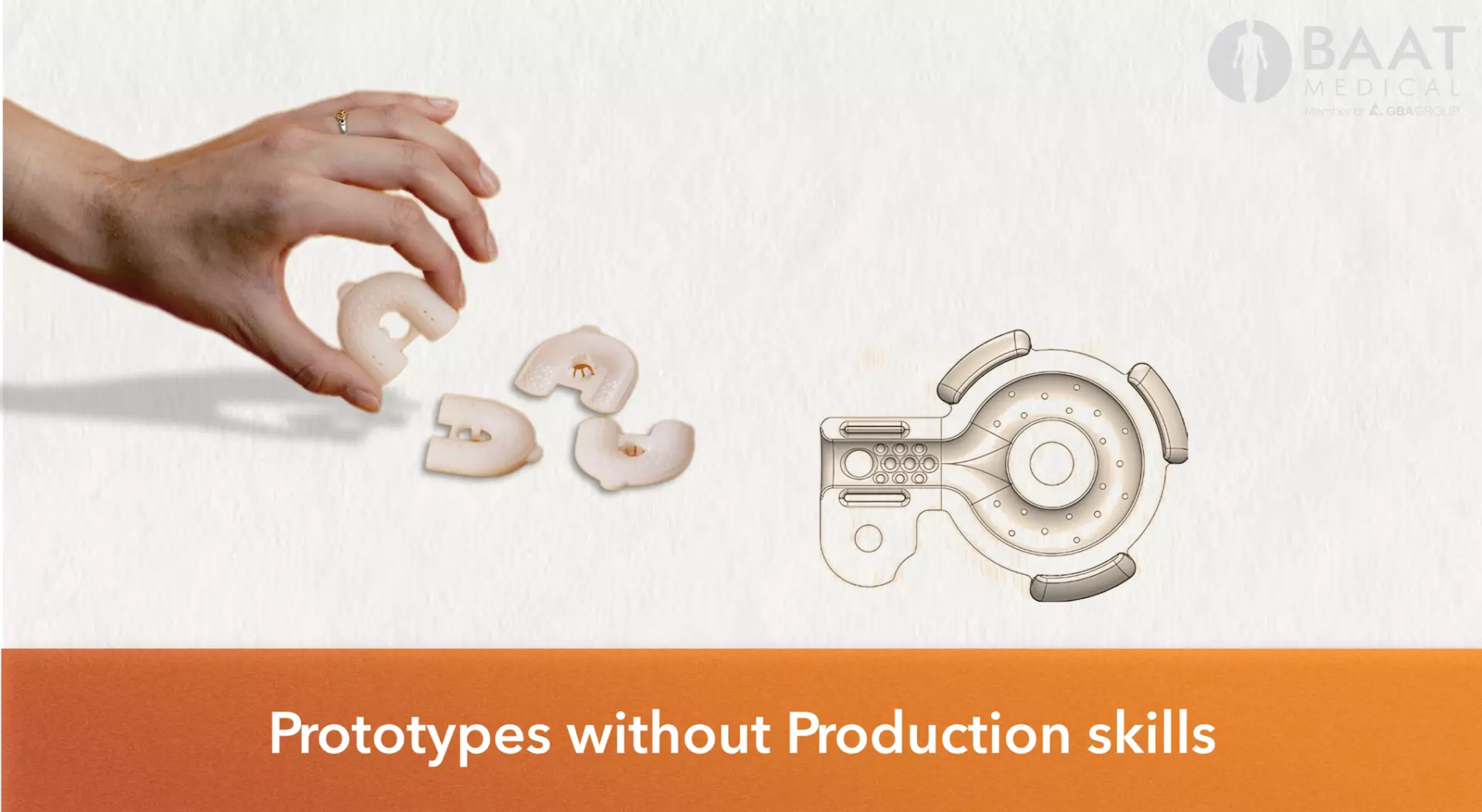
Collaboration is critical in the orthopedic startup ecosystem. Outsourcing specialized tasks such as manufacturing, development support, and market access optimizes resources and speeds timelines. Strategic partnerships with established companies also make startups more attractive to potential multinational acquirers.
Conclusion
Success in the orthopedic medical device industry requires a clear strategy. By understanding market trends, focusing on effective startup development, leveraging partnerships, and communicating value, startups can position themselves as highly attractive acquisition targets. Early planning, careful execution, and strong storytelling are essential for achieving both innovation and profitability.