What is CE Marking Required for Medical Devices?
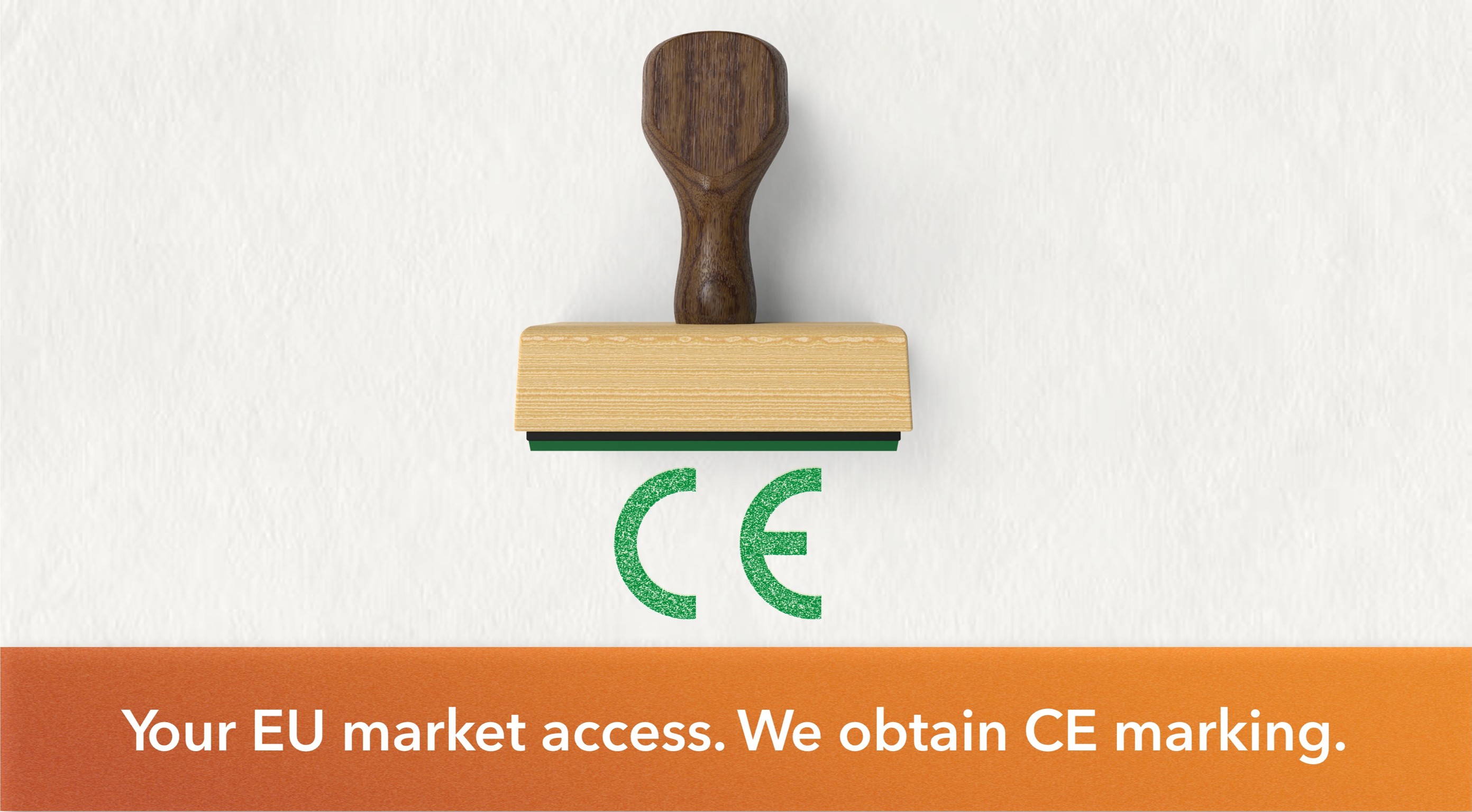
Manufacturers must understand the significance of CE marking when marketing medical devices in the European Union (EU). CE marking certifies that a device meets strict health, safety, and performance requirements under EU law. In this article, we explain why CE marking matters and show the steps manufacturers take to achieve it.
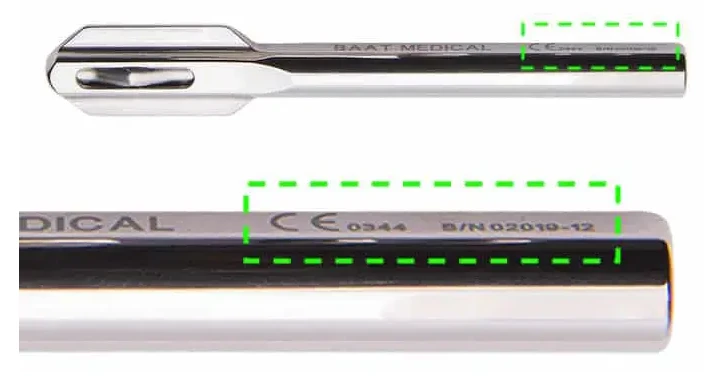
The Importance of CE Marking for Medical Devices
CE marking is mandatory for medical devices sold in the EU. It offers several important benefits:
-
Ensures Compliance: CE marking confirms that manufacturers follow EU regulations, so healthcare professionals and patients can trust the device’s safety and reliability.
-
Enables Market Access: CE marking allows manufacturers to sell devices across the EU without restrictions, thus supporting growth and expansion.
-
Builds Trust: The CE mark reassures healthcare professionals, patients, and regulators, encouraging wider adoption of the device.

The Process of Achieving CE Marking
The process of obtaining CE marking involves multiple steps designed to ensure regulatory compliance:
- First, manufacturers classify devices by risk level. The classification determines whether they can self-assess or require a notified body.
- Next, manufacturers perform a conformity assessment. Low-risk devices undergo self-assessment, while high-risk devices require notified body evaluation.
- Then, notified bodies review technical documentation, quality management systems, and manufacturing processes. They ensure that all safety and performance standards are met.
- After that, manufacturers prepare detailed technical documentation that demonstrates compliance with EU requirements.
- Meanwhile, clinical data undergoes a thorough review to confirm the device’s safety and performance.
- Finally, manufacturers issue a Declaration of Conformity and affix the CE mark to the device, packaging, and documentation. This step officially certifies compliance.
The Role of Notified Bodies
Notified bodies provide independent assessment of devices. Manufacturers select a notified body that fits their requirements. In doing so, they can streamline certification and reduce delays.
Conclusion
CE marking plays a crucial role in the EU medical device market. By understanding its importance, following the required steps, and collaborating with notified bodies, manufacturers can confidently introduce safe, innovative devices. Proper timing, thorough documentation, and careful planning increase the likelihood of market success.