5 Mistakes Medical Startups Should Avoid in Medical Device Engineering
Introduction
Overloading the First Device
One common mistake made by medical startups in the field of medical device engineering is attempting to incorporate too many features into their initial product. While aiming for a perfect and feature-rich device is commendable, it often leads to longer development timelines, increased budgets, and heightened scrutiny from regulatory bodies such as the FDA. Instead, startups should prioritize the five core functionalities that will drive the success of their medical device. By focusing on these essential features and gradually incorporating additional functionalities in subsequent iterations, startups can maintain their budget and prevent requirement creep from undermining their product’s development.
Underestimating Unprecedented Challenges
When startups embark on developing groundbreaking medical devices, they are likely to encounter unforeseen challenges and complexities. The more innovative and unique the device, the greater the potential for unexpected obstacles. It is crucial for startups to anticipate and allocate sufficient time and resources to overcome these challenges. By adopting a proactive approach and addressing potential problems early on, startups can mitigate delays and reduce development costs, ensuring a smoother path to market.
Meeting Regulatory Requirements
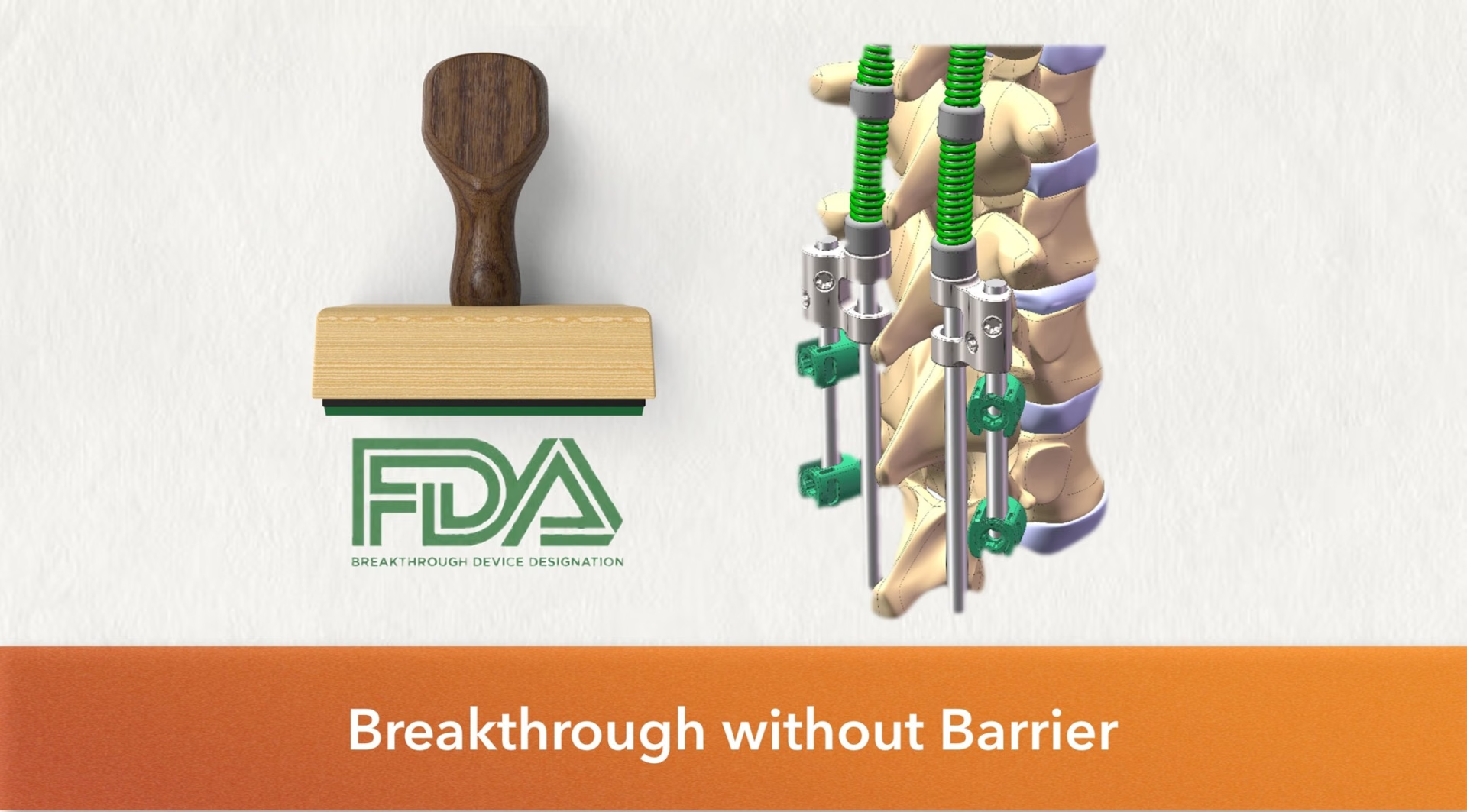
Compliance with regulatory standards, particularly those set by the FDA, is essential for medical device startups. The FDA places significant emphasis on product safety and effectiveness, requiring comprehensive documentation and evidence. Startups must dedicate ample time and resources to meet these requirements. It is crucial to understand that regulatory compliance is not solely for legal purposes but also for building trust and ensuring the device’s quality and performance. By prioritizing safety and effectiveness, startups can establish a strong reputation and inspire confidence in their medical device.
Seeking Expert Medical Consulting
Startups often have passionate founders with deep domain knowledge in their respective fields of medical device engineering. However, they may overlook the benefits of seeking external medical consulting expertise. Engaging with experienced medical device engineering consultants can provide startups with valuable insights, guidance, and support throughout the development process. These consultants possess specialized knowledge in building successful medical devices and navigating regulatory pathways. Embracing their expertise creates a collaborative environment and contributes to the development of a superior end product.
Trusting the Medical Device Engineering Process
Collaborating with trusted medical device engineering partners is crucial for startup success. Rather than treating the development process as a one-time engagement, startups should view it as an ongoing partnership. By actively participating in the development process, startups can contribute their insights, validate design choices, and ensure alignment with their vision. Trusting the expertise and experience of established medical device engineering partners leads to a smoother development journey, a higher-quality end product, and greater revenue generation potential.
Conclusion
Building a successful medical device startup requires careful planning, adherence to regulatory standards, and a willingness to seek external medical consulting expertise. By avoiding the five common mistakes discussed in this blog, startups in the field of medical device engineering can navigate the challenges more effectively. Prioritizing core features, anticipating unprecedented challenges, meeting regulatory requirements, embracing expert medical consulting, and trusting the established medical device engineering process are essential for startups to thrive and make a positive impact in the medical innovation landscape.