
Biocompatibility Testing for Medical Devices
Biocompatibility Testing: Beyond Material Choice
Many believe that using titanium, stainless steel, or PEEK guarantees biocompatibility. This assumption is wrong. Biocompatibility depends on far more than material selection. It results from complex local and systemic responses of the human body to a device. Experts still do not fully understand these reactions.
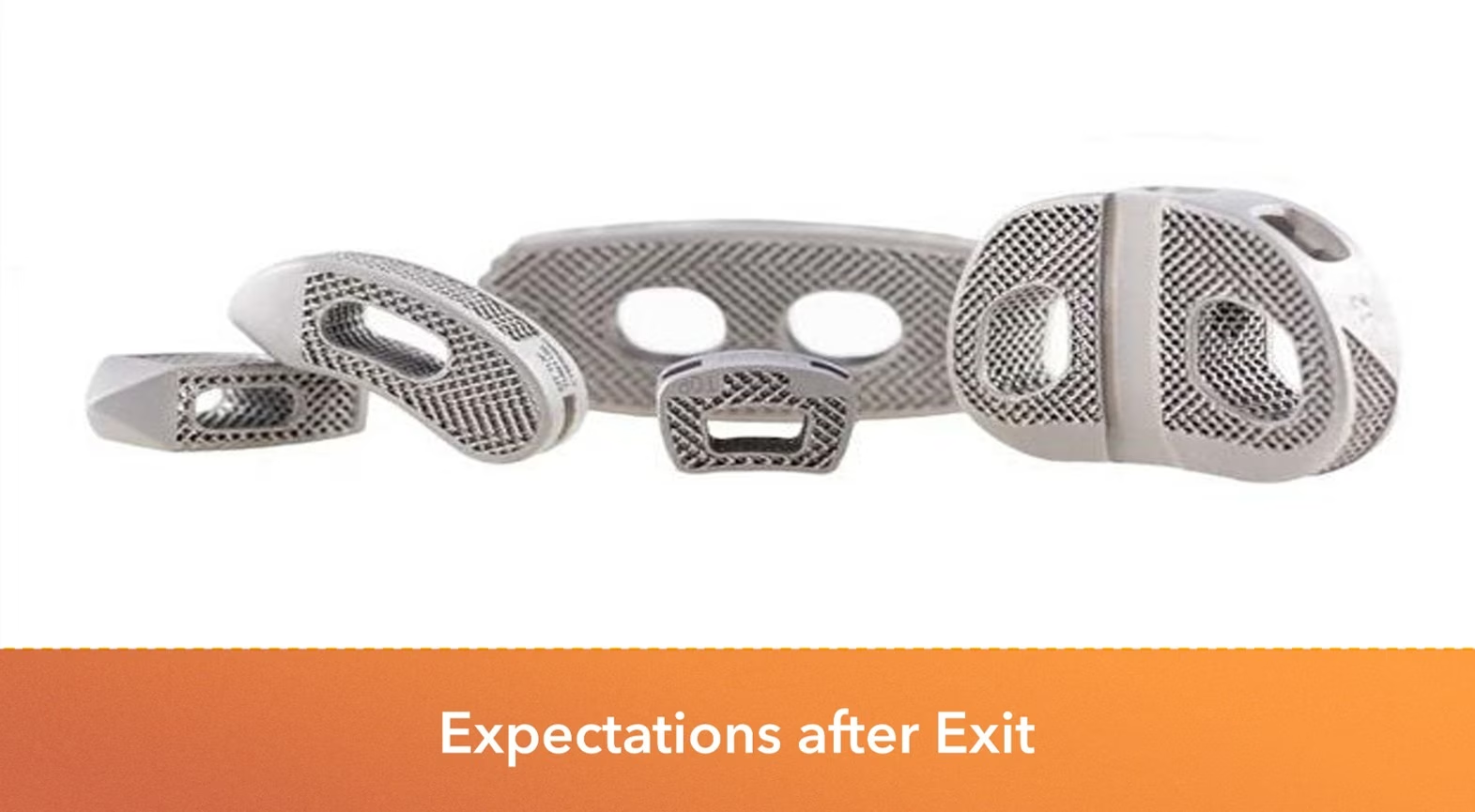
Several factors influence biocompatibility: raw material composition, manufacturing process, residues, porosity, surface finish, cleaning, passivation, packaging, sterilization, shelf life, and intended use. For this reason, manufacturers must perform a risk-based biological evaluation before bringing a product to market.
ISO 10993 and the Biological Evaluation Plan
Every evaluation begins with a Biological Evaluation Plan (BEP). The BEP follows ISO 10993-1 and related subparts, which serve as global standards. Local guidelines, such as those in the U.S., may add extra requirements.
The BEP defines a risk-based approach aligned with ISO 14971. It considers body contact type and duration. For example, a biodegradable implant requires a different evaluation than a surgical instrument with brief contact. Choosing the right level of scrutiny ensures efficiency.
Steps in the biological evaluation process
1. Risk Assessment
Start by asking key questions:
- What alloy composition and grades are used?
- Are there contaminations in raw materials?
- Does manufacturing alter chemical composition?
- What is the surface finish and porosity?
- Are cleaning and packaging processes effective?
- How does sterilization affect shelf life?
- How does the body respond to wear particles or device geometry?
2. Chemical Characterization
Analyze the finished device. Perform leachables and extractables testing using polar, mid-polar, and non-polar solvents. Run extracts through sensitive instruments to detect contaminants. Exhaustive extraction often occurs at 37°C or 50°C for 24–72 hours. Evaluate any contaminants through toxicological risk assessment.
3. Biological Endpoint Testing
As a last resort, test in animal models for local reactions, systemic effects, and implantation outcomes. Genotoxicity and carcinogenicity tests can often be waived if chemical characterization and toxicology data are sufficient. Clinical data from predicate devices may also reduce testing needs.
How BAAT helps
Biological testing can be costly, time-consuming, and ethically challenging. Many labs propose extensive testing due to unknowns in manufacturing. Authorities often support this approach to minimize risk.
BAAT Medical takes a smarter route. We define lean test plans because we understand design and manufacturing details. Our close supplier relationships help us identify potential risks early. This knowledge allows us to avoid unnecessary tests, reduce costs, and accelerate regulatory approval.
Biocompatibility means achieving an appropriate host response in a specific situation. Ultimately, it comes down to a risk-benefit evaluation. By managing materials, design, and processes, BAAT Medical enables customers to focus on innovation while ensuring patient safety and compliance.