
The EU Medical Device Regulation (MDR) sets the requirements for placing medical devices on the European market. Regulation (EU) 2017/745 introduced stricter requirements for manufacturers, with greater emphasis on clinical evidence, risk management, technical documentation, post-market surveillance, and oversight. For MedTech companies, navigating MDR compliance can be complex. BAAT Medical helps you understand the requirements and build a practical pathway from product development to CE marking and market access.
The Medical Device Regulation (EU) 2017/745, commonly known as the EU MDR, replaced the previous Medical Device Directive (MDD) for most medical devices. It has applied since 26 May 2021 and introduced important changes to the European regulatory framework. The MDR defines requirements for the safety and performance of medical devices throughout their lifecycle. Manufacturers must demonstrate that their devices meet the applicable requirements before placing them on the EU market. The European Commission provides the official Medical Devices Regulation (MDR) framework and related guidance.
One of the first steps toward MDR compliance is determining the correct classification of your medical device. The MDR uses risk-based classification rules. Depending on the characteristics and intended purpose of the device, products can fall into different classes:
Additional classifications apply to certain Class I devices, including sterile devices, devices with a measuring function, and reusable surgical instruments.
Classification affects the conformity assessment pathway and the level of regulatory involvement required. Therefore, getting the classification right at an early stage is important.
The MDR requires manufacturers to demonstrate conformity with the applicable General Safety and Performance Requirements (GSPR).
These requirements cover areas such as:
Technical documentation must provide evidence that the applicable requirements have been addressed.
Depending on the classification and characteristics of your device, a Notified Body may need to assess your quality system and technical documentation. For devices requiring Notified Body involvement, successful conformity assessment is an important step toward CE marking and market access.
BAAT Medical can support the regulatory process, from classification and technical documentation to conformity assessment and interaction with a Notified Body.
MDR compliance does not end when a device receives its CE marking. Manufacturers have ongoing responsibilities once the product reaches the market. Clinical evidence must support the safety and performance of the device. In addition, manufacturers need appropriate post-market surveillance (PMS) processes to monitor the device throughout its lifecycle.
Our post-market surveillance support can help you manage these ongoing requirements.
MDR compliance works best when regulatory requirements are considered from the beginning of product development. Addressing classification, risk management, clinical requirements, quality, and technical documentation early can help prevent costly changes later.
BAAT Medical combines medical device development, engineering, quality, clinical, and regulatory expertise. This allows us to support companies throughout the journey rather than treating regulatory compliance as a separate final step.
Our medical device engineering expertise can be integrated directly into your development process.
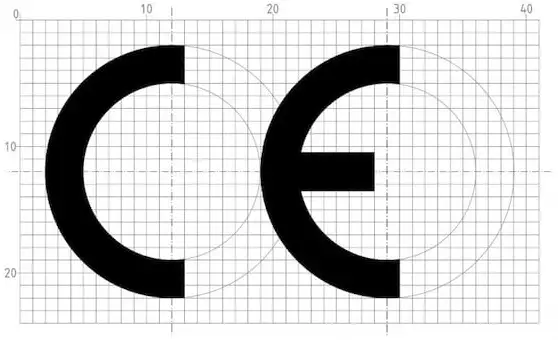
Bringing a medical device to the European market requires more than obtaining a CE mark. You need a structured approach to development, quality, regulatory compliance, clinical evidence, and post-market obligations.
BAAT Medical helps MedTech companies navigate the EU Medical Device Regulation and turn innovative ideas into compliant medical devices.
Whether you are developing a new Class I device or a higher-risk implant, we can support the regulatory pathway and help you move from concept to market with greater confidence.
Contact BAAT Medical to discuss your MDR compliance pathway.

Paradigm Spine
The way BAAT Medical organizes projects and handles our requests is absolutely great. They have a structured approach that ensures everything runs smoothly and efficiently. One of the standout aspects is their ability to manage topics and make decisions internally, only seeking my input when absolutely necessary. This has not only saved me a tremendous amount of time but also instilled a great deal of confidence in their expertise and professionalism. I highly recommend BAAT Medical to anyone looking for a reliable and proficient partner.

Waldemar Link
The engineering services of Baat really complements our own design process, while seamlessly integrating into our existing operations.
Essity
Thanks to everyone at Baat medical involved in this project. We are very satisfied with your service (including performance, communication, and flexibility) and are looking forward to possible new collaborations.

EIT, a J&J company
Thanks to the close collaboration of our engineers with the BAAT team, we could execute our development strategy as planned. We couldn’t have reached this level of success without them.

Inspine & Cresco Spine
Baat Medical is our reliable R&D partner in various projects. The project with EIT Cellular Titanium®️ medical development has been the cherry on the pie (so far)! Can't wait what next projects are going to bring us.

Belfry Medical GmbH
Successful products are not made only of great ideas; they require a good understanding of today’s and tomorrow’s market environment. The INNOVATE process was very insightful. It helped us define and decide what is necessary to fulfill all stakeholders’ present and future requirements in order to have a high-impact product and treatment. BAAT did a great job!

King Saud University
BAAT Medical engineering expertise has been instrumental to this progress. We truly value the collaboration and look forward to the next milestones.