Entrepreneur seeing a business opportunity
Situation
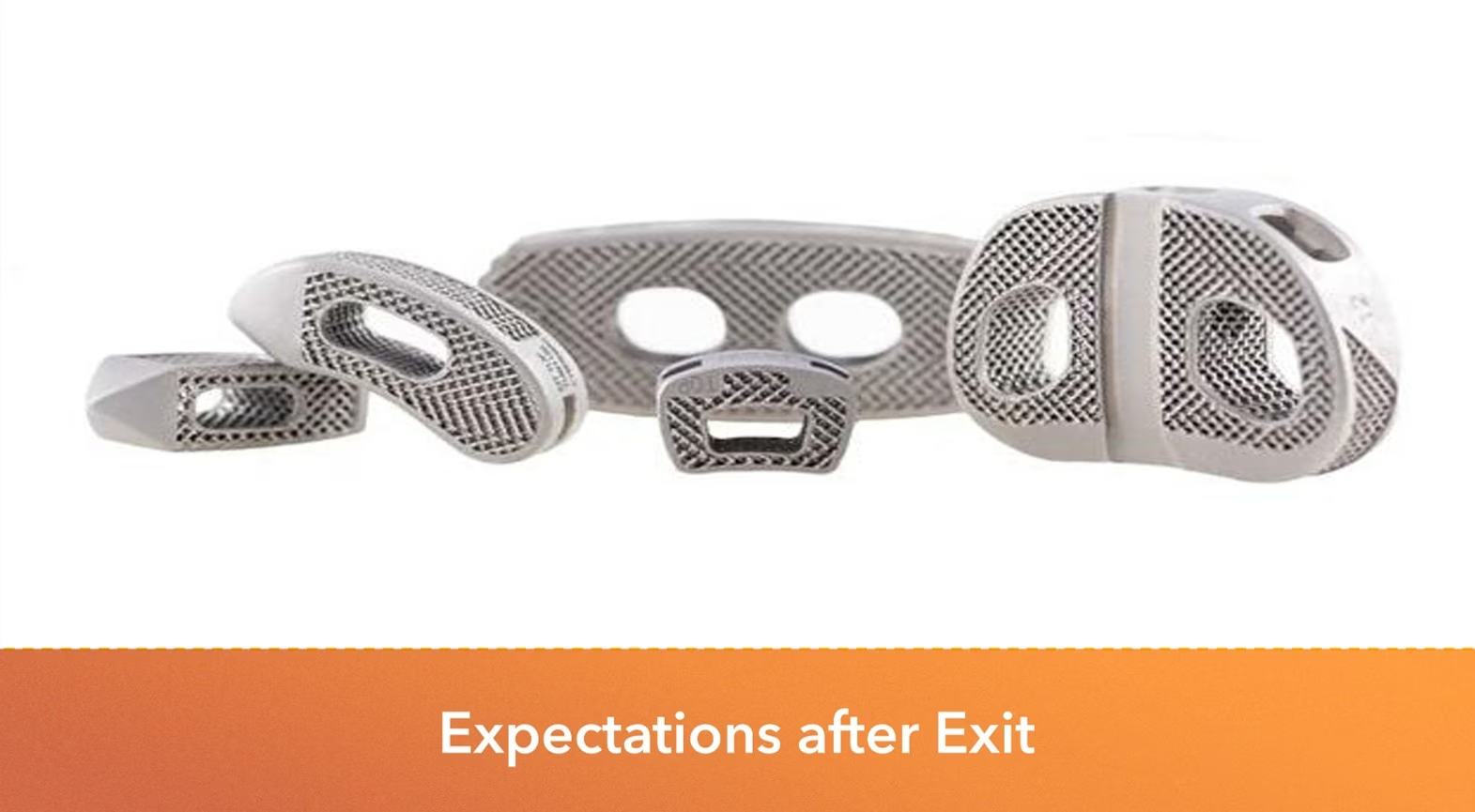
Two entrepreneurs with extensive experience in the spinal device industry recognized a business opportunity. They wanted to offer a full portfolio of 3D-printed spinal cages, a technology that was still relatively new at the time. Rather than investing significant time and resources in building a fully structured organization from the ground up, they chose a different approach. This would have required establishing a team, quality management system, warehousing and other operational infrastructure. Instead, they focused on creating company value and positioning the business as an attractive acquisition target.
Capabilities
The business needed a partner that could integrate Development, Supply Chain and Life Cycle Management processes into its workflow. This approach allowed the company to minimize fixed operational and personnel expenses. At the same time, it avoided the significant investment required to establish and maintain an in-house quality management system. The right partner therefore needed to provide more than product development. It also needed to support manufacturing, supply chain management, regulatory requirements and the complete product life cycle.
Solution
EIT GmbH was established in 2014. BAAT Medical provided a portfolio of spinal cages designed for PLIF, ALIF and TLIF approaches. In addition, BAAT established the supply chain for titanium 3D printing. BAAT also ensured that the products were tested and certified according to MDR and FDA requirements. This integrated approach enabled the delivery of packaged and sterilized spinal cages that were ready for distribution in the US market. By combining development, supply chain and regulatory expertise, BAAT helped the company move from a business concept to market-ready medical devices.
Result
The first sales were achieved in 2016. Just two years later, in 2018, the company was acquired by Johnson & Johnson for approximately $85 million.This happened only four years after the company’s establishment. The project demonstrated how combining entrepreneurial vision with specialized medical device development and operational expertise can accelerate market entry. Titanium 3D-printed spinal cages subsequently became a widely established technology in the market.