Regulatory Aspects of 3D-Printed Surgical Implants
Regulatory Challenges of 3D-Printed Surgical Implants
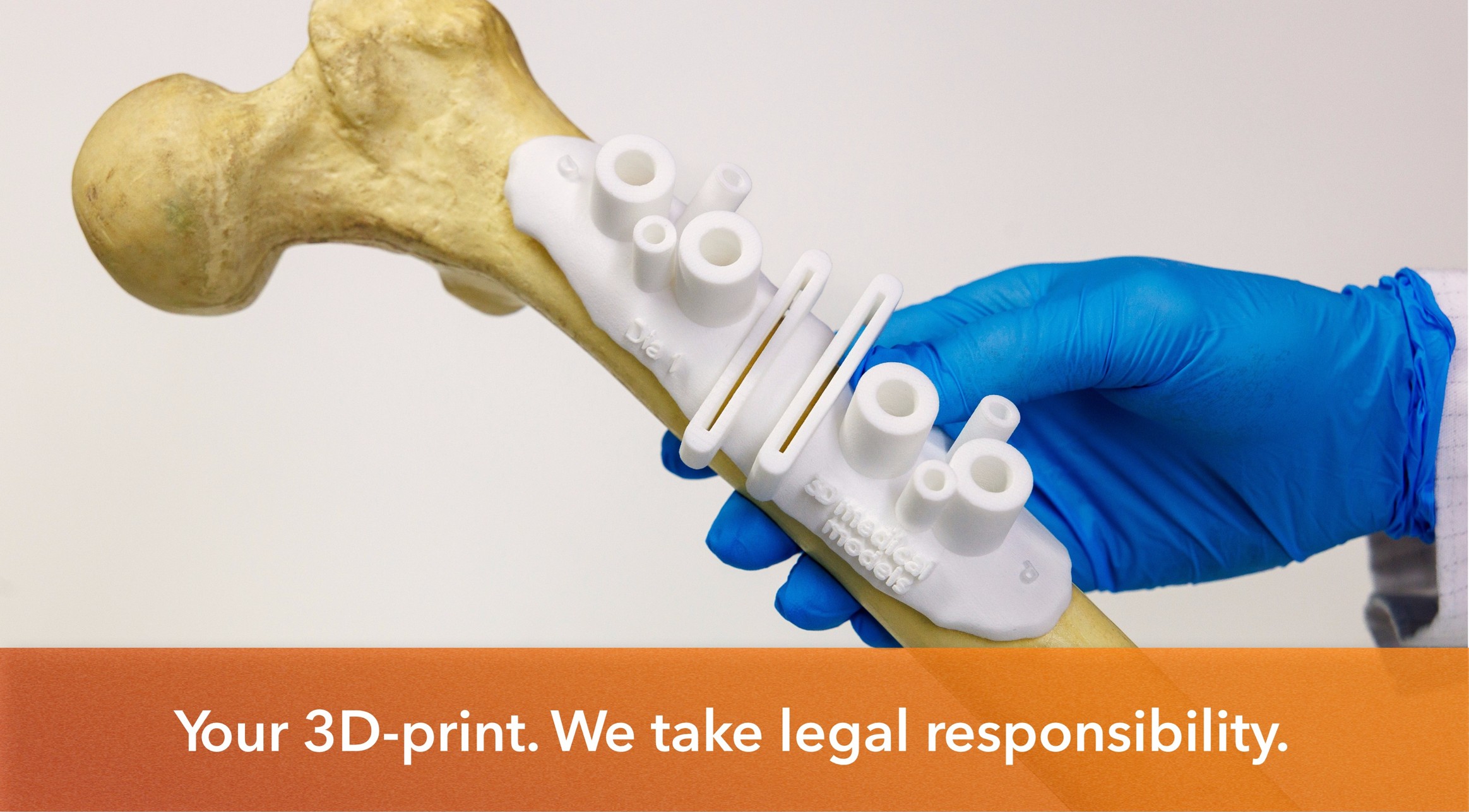
3D printing, also called additive manufacturing, is changing medical devices. Custom 3D-printed implants can solve complex medical problems. However, rules for patient-specific implants make clinical use challenging.
A recent study in the Netherlands shows the regulatory and design challenges of 3D-printed spinal implants through two patient cases.
Case Backgrounds
Two patients needed urgent spinal support that standard implants could not provide.
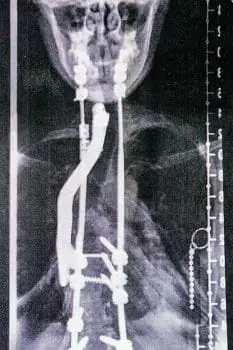
Case 1: A patient with severe thoracic kyphosis from neurofibromatosis type 1 had partial paralysis. Doctors decided to place a strong metal strut from C6 to T11 for long-term spinal support.
Case 2: Another patient had progressive paralysis from vanishing bone disease. Most vertebrae from C5 to T1 were missing. The team needed a custom implant from C4 to T2.
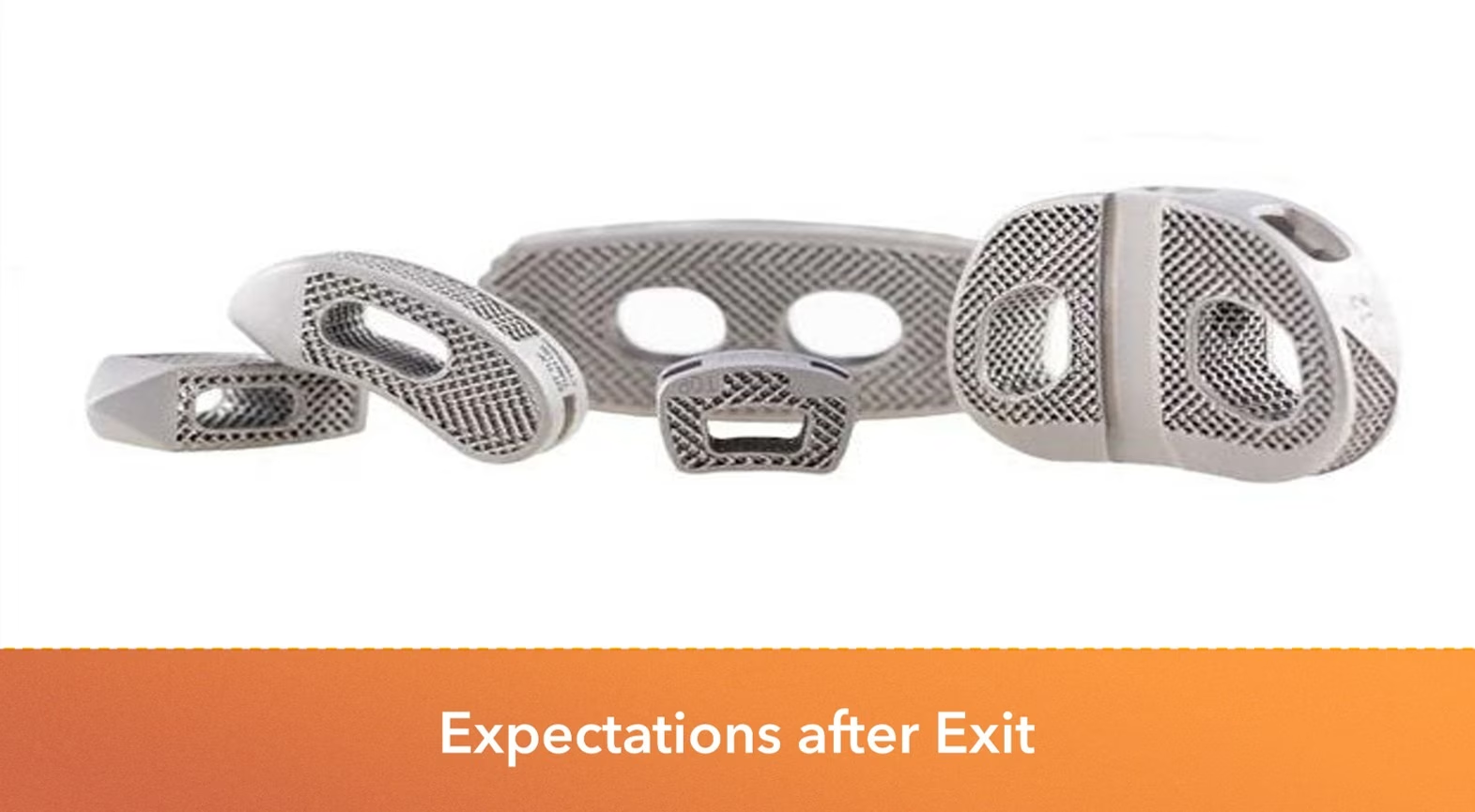
The team used CT scans and computer-aided design software to create patient-specific implants. They 3D printed both implants in titanium using direct metal printing.
Regulatory and Safety Considerations
Although EU law classifies these devices as custom-made, the hospital team still ensured safety. They created a full technical file, including:
-
Clinical justification for the implant
-
Design details
-
Risk assessment
-
Manufacturing steps
-
Labelling
The team worked with a certified university department to handle production.
They also ran finite-element analyses, compression tests, and cadaver experiments to confirm the implants were safe and strong.
Implementation Timeline
The first implant required about six months from planning to insertion, reflecting the complexity and novelty of the approach.
Thanks to the experience gained from the first case, the second implant was completed in approximately six weeks, showing how iterative learning can dramatically reduce production time for patient-specific devices.
Key Takeaways
These two cases illustrate that 3D-printed surgical implants can be designed and manufactured safely and effectively for complex spinal conditions. However, challenges remain:
-
Regulatory compliance for patient-specific devices
-
Extensive documentation and technical files
-
Rigorous testing for strength and performance
-
Long lead times for initial projects
Experience and a structured workflow are critical to safely implementing 3D-printed implants in clinical practice.
Read the full paper here.
A summary of the article was as also published in the Volkskrant, a Dutch Newspaper.