
Gannet Hip Implant: From Development to the US Market
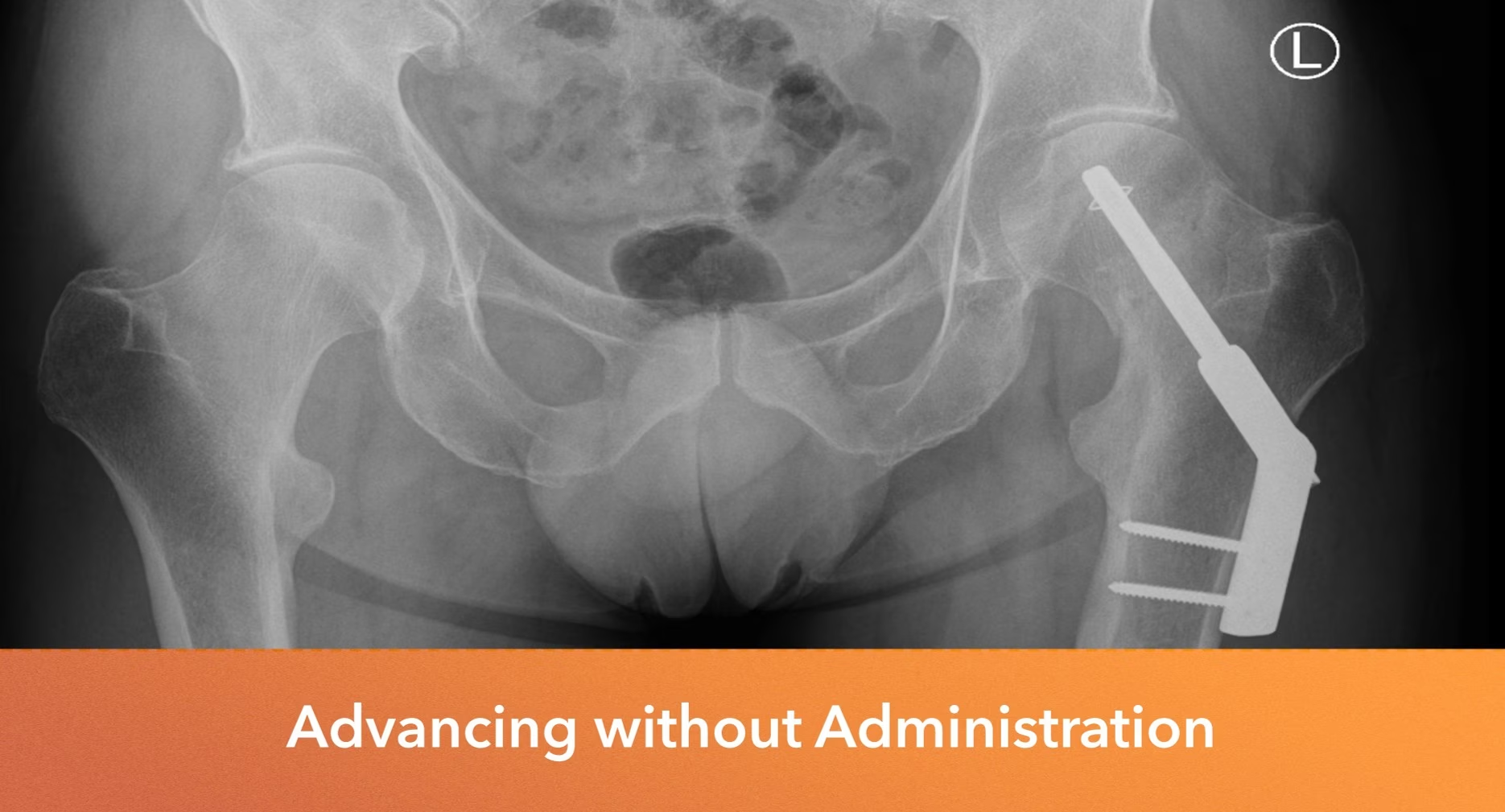
Gert Nijenbanning, Managing Director of BAAT Medical, fractured his hip in a bicycle accident. This gave him a unique experience with the Gannet hip implant, a product that BAAT Medical helped develop. In January, Nijenbanning went to Medisch Spectrum Twente (MST) after falling from his bicycle. Doctors diagnosed a broken hip. Before surgery, he asked whether the Gannet hip implant could be used to treat his fracture. For Nijenbanning, this became a personal experience with a product he had helped develop and bring into clinical use.
Developing the Gannet Hip Implant
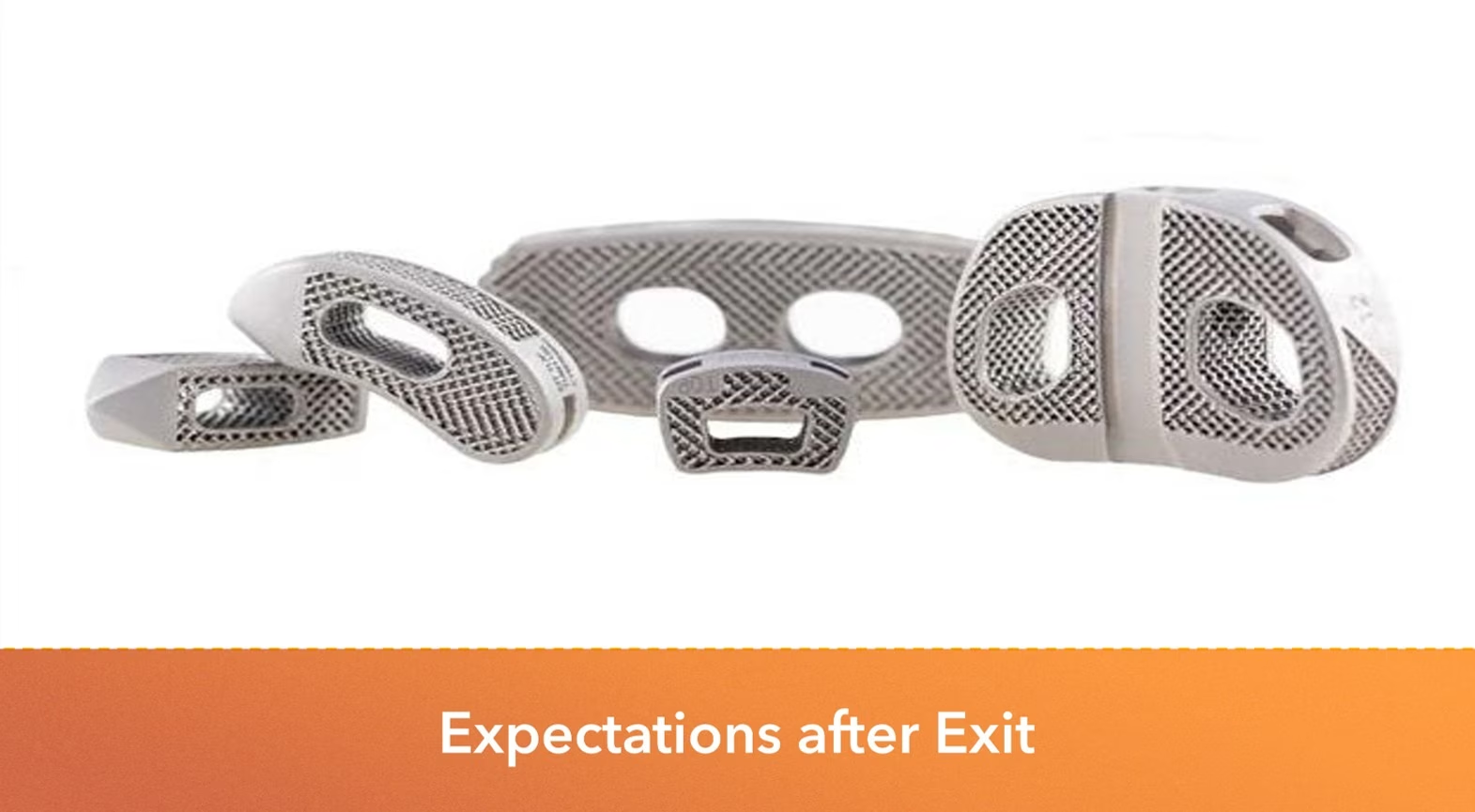
BAAT Medical develops orthopedic medical devices and implants for the spine, knees, hips, and fracture treatment. The company supports the full medical device development process, from the initial concept and engineering through validation, regulatory approval, manufacturing, and market introduction. The late Ariaan van Walsum, a trauma surgeon at MST, developed the Gannet hip implant in collaboration with BAAT Medical. Together, they created an implant designed to reduce the risk of complications and make hip fracture surgery easier. More than 3,000 patients have now received the Gannet hip implant. Hospitals in the Netherlands, Belgium, and Italy currently use the implant.
Clinical Value of the Gannet
The Gannet has a higher purchase price than a traditional Dynamic Hip Screw (DHS). However, the initial implant cost does not tell the full story. Post-market surveillance data show that the Gannet’s dynamic design and two side wings provide superior rotational stability while preserving the remaining vascularization of the femoral head. The implant also provides the stability needed to support revascularization and primary bone healing of the femoral neck fracture. The Gannet is designed to reduce the risk of complications and reoperation. If the need for additional surgery can be reduced, the implant may also help lower the overall costs associated with treatment and recovery.
These potential benefits highlight the importance of looking beyond the initial purchase price when assessing medical device value. Patient outcomes, surgical efficiency, recovery, and the potential reduction in reoperations are also important factors. The long-term clinical effects of the Gannet are currently being evaluated in a post-market clinical investigation. The study examines the clinical outcomes of the implant and will provide further insight into its long-term benefits. The study protocol is described by Kalsbeek, Roerdink and colleagues in 2020. Read the study on PubMed
Preparing for the US Market
BAAT Medical is now preparing for the next step: bringing the Gannet hip implant to the US market. The United States offers significant potential for the product. Around 50,000 femoral head fractures occur annually in the US for which the Gannet may be suitable. The US market also offers higher potential implant values. To support the US market introduction, BAAT Medical is preparing for the required regulatory process and building the necessary inventory. Funding has been secured with support from long-term financiers, private investors, and GBA Group. With a specialized US partner, BAAT Medical can now move forward with its plans to introduce the Gannet to the American market.
A Personal Experience
Nijenbanning is still recovering from his hip surgery. He returned home after one day and was allowed to put full weight on his hip. For BAAT Medical, the Gannet story demonstrates the value of collaboration between clinicians and medical device developers. A clinical need became an implant that has already helped thousands of patients and is now being prepared for the US market.